

Key Specifications to Consider When Buying an Energy Storage Cabinet
Release time: 2026-01-15
Table of Contents
As energy storage systems become increasingly important in commercial, industrial, and renewable energy projects, choosing the right energy storage cabinet is a critical decision. Beyond brand and price, technical specifications directly affect system safety, performance, scalability, and long-term return on investment. Understanding the key specifications to evaluate before purchasing an energy storage cabinet can help buyers select a solution that truly matches their application needs.
1、Energy Capacity and Power Rating
One of the first specifications to consider is the energy capacity, typically measured in kilowatt-hours (kWh). This determines how much energy the cabinet can store. Equally important is the power rating, measured in kilowatts (kW), which defines how much power can be delivered at a given time. A well-balanced energy storage cabinet should match both the load demand and the required discharge duration of the application, whether for peak shaving, backup power, or renewable energy integration.
2、Battery Type and Chemistry
Battery chemistry has a major impact on performance, safety, and lifespan. Most modern energy storage cabinets use lithium-ion batteries, especially LiFePO₄ (LFP), due to their high thermal stability and long cycle life. Buyers should compare battery chemistry options based on cycle life, energy density, operating temperature range, and safety characteristics. Choosing the right battery type ensures stable operation and reduced maintenance over time.
3、Battery Management System (BMS)
A reliable Battery Management System is essential for monitoring and protecting the battery pack. Key BMS specifications include cell voltage monitoring, temperature control, overcharge and over-discharge protection, and fault diagnostics. Advanced BMS features such as remote monitoring, data logging, and communication protocols (CAN, RS485, Ethernet) enhance system reliability and make integration with energy management systems easier.
4、Thermal Management System
Thermal management directly affects battery performance and service life. Energy storage cabinets may use air cooling or liquid cooling, depending on capacity and application requirements. Air-cooled systems are generally simpler and more cost-effective, while liquid-cooled systems provide better temperature consistency for high-capacity or high-power installations. Buyers should evaluate cooling efficiency, operating noise, and suitability for local climate conditions.
5、Safety and Protection Ratings
Safety specifications are especially important for energy storage cabinets installed in industrial or outdoor environments. Look for cabinets with built-in fire suppression systems, smoke detection, and emergency shutdown features. In addition, the enclosure’s protection rating, such as IP54 or IP65, indicates resistance to dust and water ingress. Higher IP ratings are essential for outdoor or harsh operating environments.
6、System Integration and Compatibility
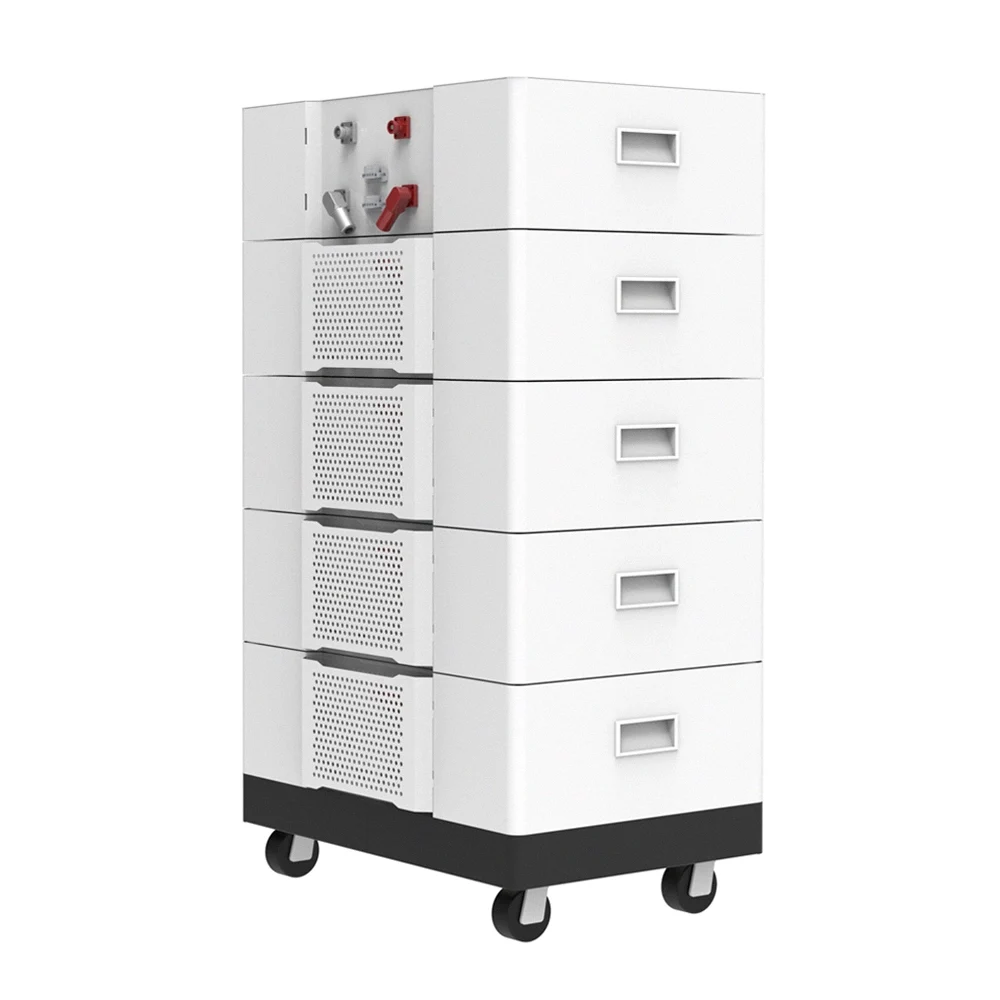
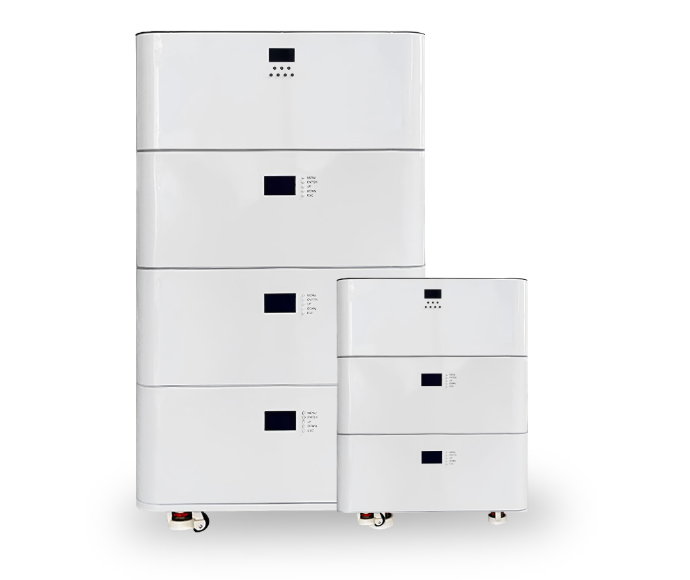
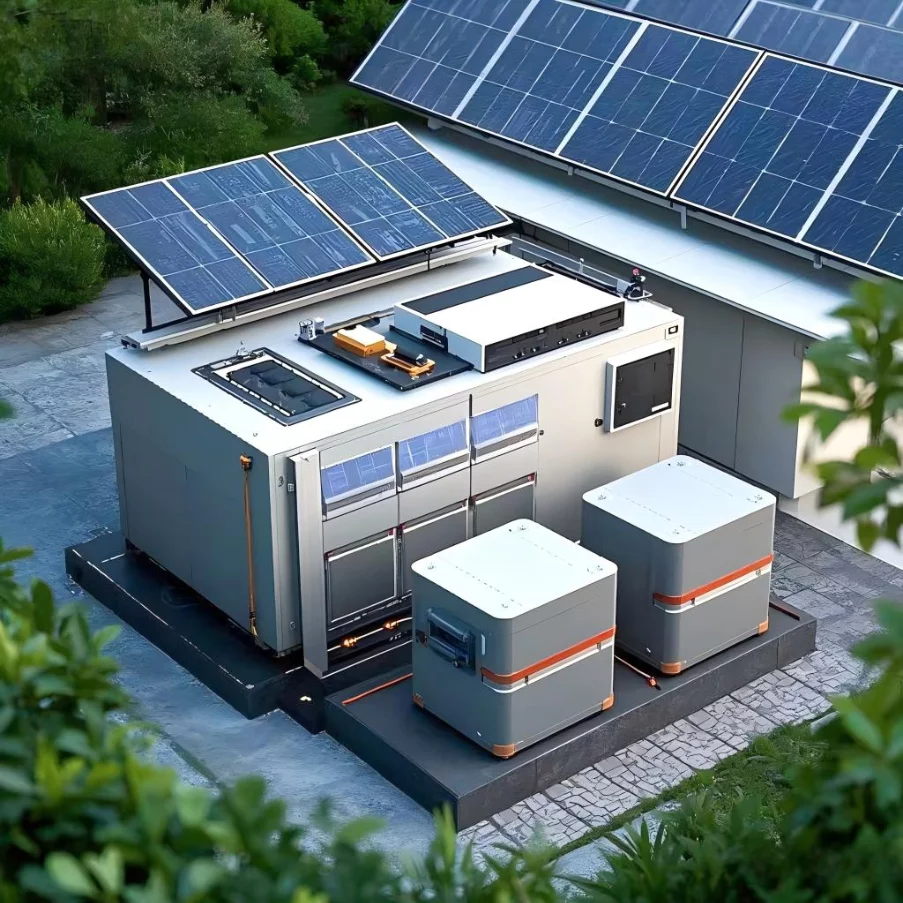
An energy storage cabinet must integrate smoothly with inverters, solar systems, generators, or the power grid. Buyers should verify inverter compatibility, supported voltage ranges, and communication interfaces. Modular design is another valuable specification, allowing future capacity expansion without replacing the entire system. This flexibility is especially important for projects with growing energy demands.
7、Operating Environment and Installation Requirements
Specifications such as operating temperature range, humidity tolerance, altitude limits, and installation footprint should not be overlooked. A cabinet designed for outdoor use must withstand extreme temperatures and weather conditions, while indoor systems may prioritize compact design and low noise levels. Understanding installation requirements helps avoid costly site modifications later.
8、Certifications and Compliance
Finally, ensure the energy storage cabinet meets relevant international and regional standards. Certifications such as IEC, UL, CE, and UN38.3 indicate compliance with safety, performance, and transportation requirements. Certified products reduce regulatory risks and simplify project approval processes.
When buying an eco-friendly energy storage cabinet, focusing on key specifications such as energy capacity, battery chemistry, BMS functionality, thermal management, safety ratings, and system compatibility is essential. A well-specified energy storage cabinet not only ensures reliable operation and safety but also delivers long-term value and adaptability for evolving energy needs. Careful evaluation at the specification level helps buyers make informed decisions and build efficient, future-ready energy storage solutions