


Applications of Photovoltaic Technology in Commercial Buildings
Release time: 2026-01-29
Sommario
Introduction: Growing Demand for Clean Energy in Commercial Buildings
As energy costs continue to rise and sustainability becomes a priority, commercial buildings are increasingly adopting fotovoltaico (PV) technology. Offices, shopping centers, hotels, hospitals, and industrial facilities all face high electricity consumption. Photovoltaic systems offer a practical solution by enabling on-site power generation, reducing operating costs, and supporting environmental goals.
Rooftop Photovoltaic Systems for Energy Cost Reduction
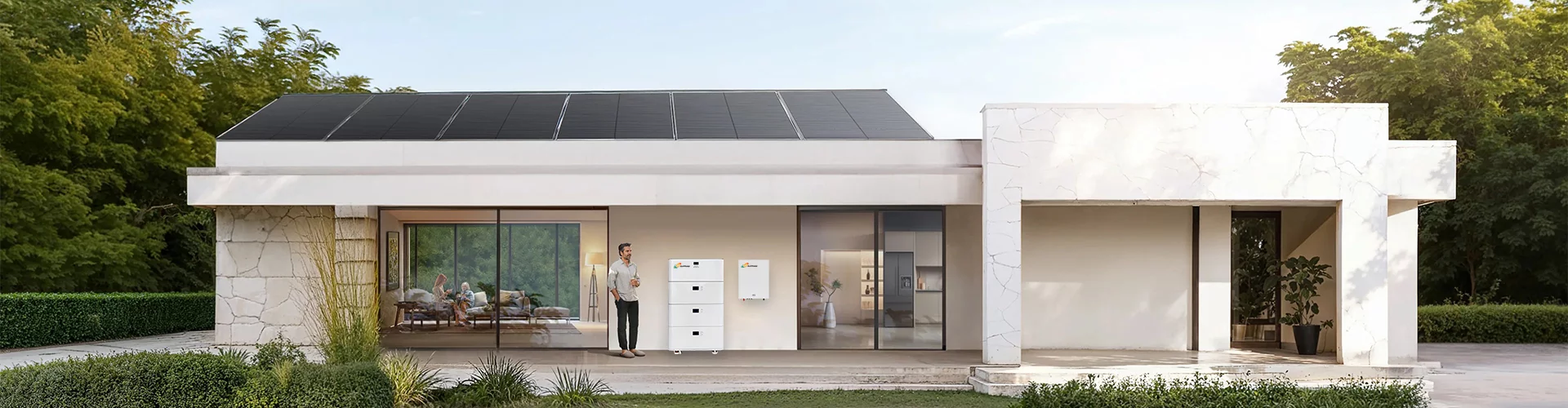
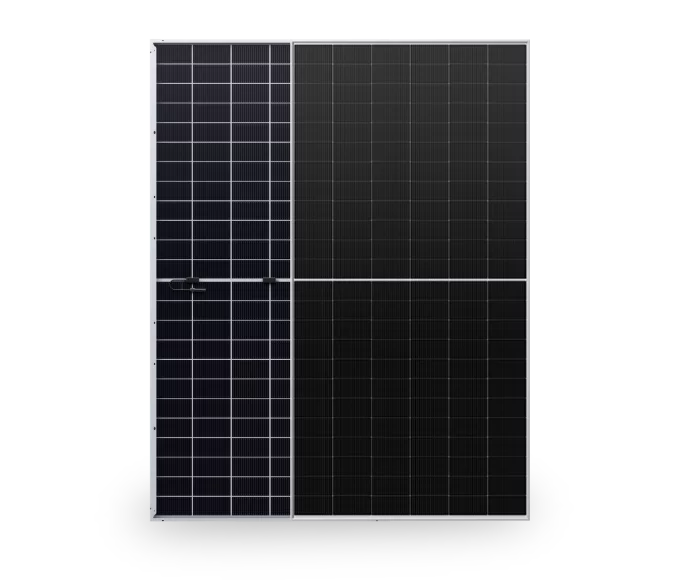
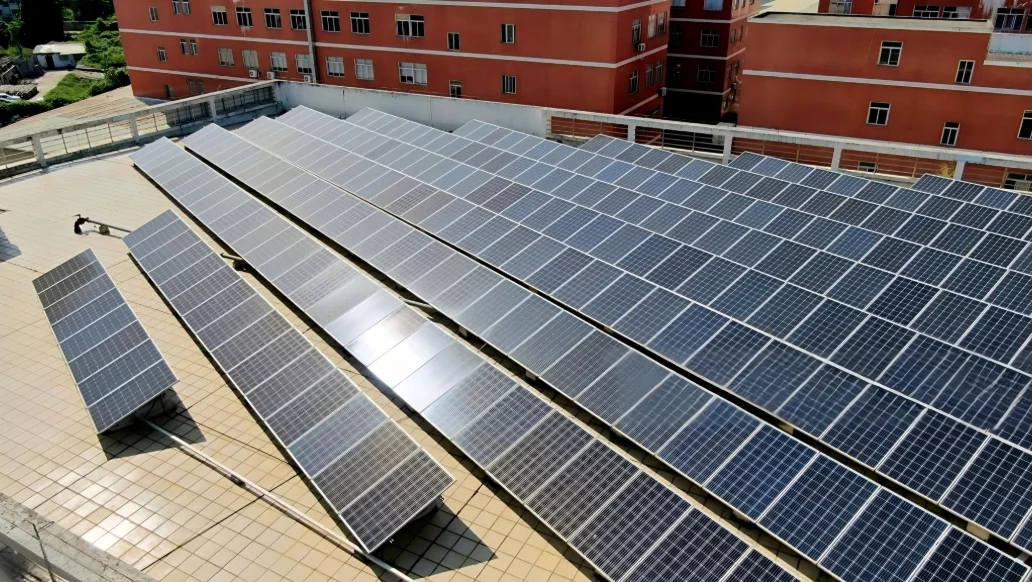
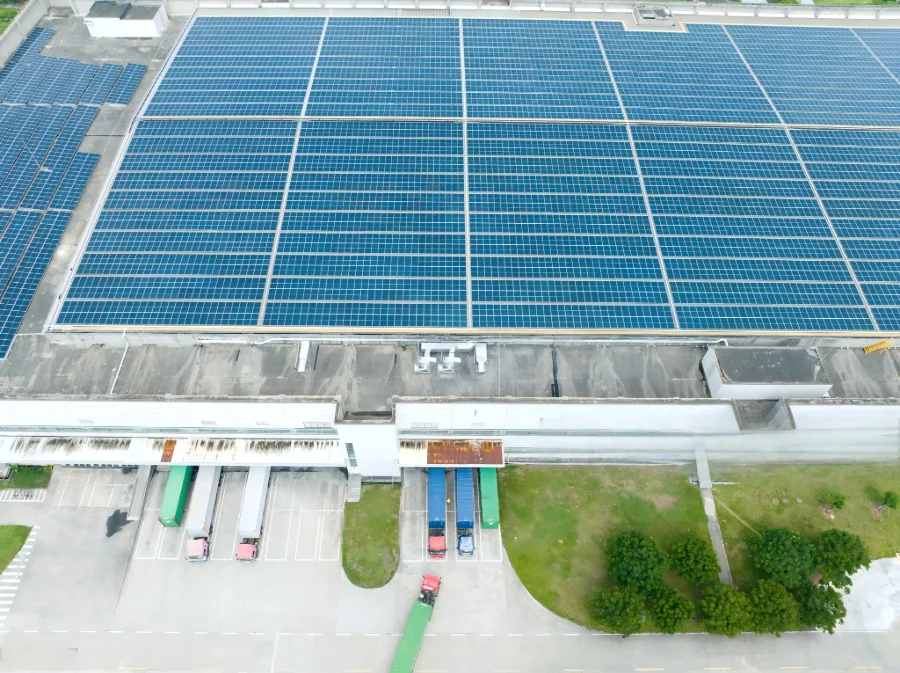
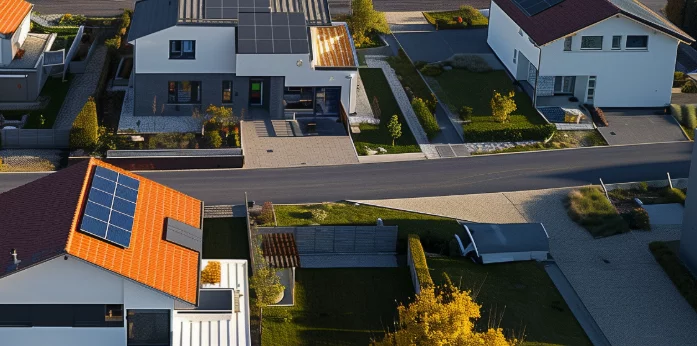
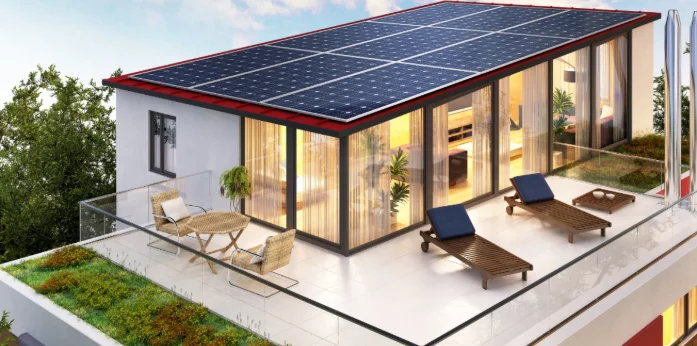
One of the most common applications of photovoltaic technology in commercial buildings is rooftop solar installation. Large roof areas provide ideal space for PV panels without affecting daily operations. Rooftop systems help businesses offset a significant portion of their electricity demand, especially during peak daytime hours. This reduces reliance on grid power and protects companies from fluctuating energy prices.
Building-Integrated Photovoltaics (BIPV)
Building-integrated photovoltaics are becoming increasingly popular in modern commercial architecture. Instead of being mounted separately, PV materials are integrated into building elements such as façades, windows, and shading systems. BIPV not only generates electricity but also enhances building aesthetics and functionality. For high-end commercial buildings, this approach combines energy efficiency with innovative design.
Photovoltaic Systems Combined with Energy Storage
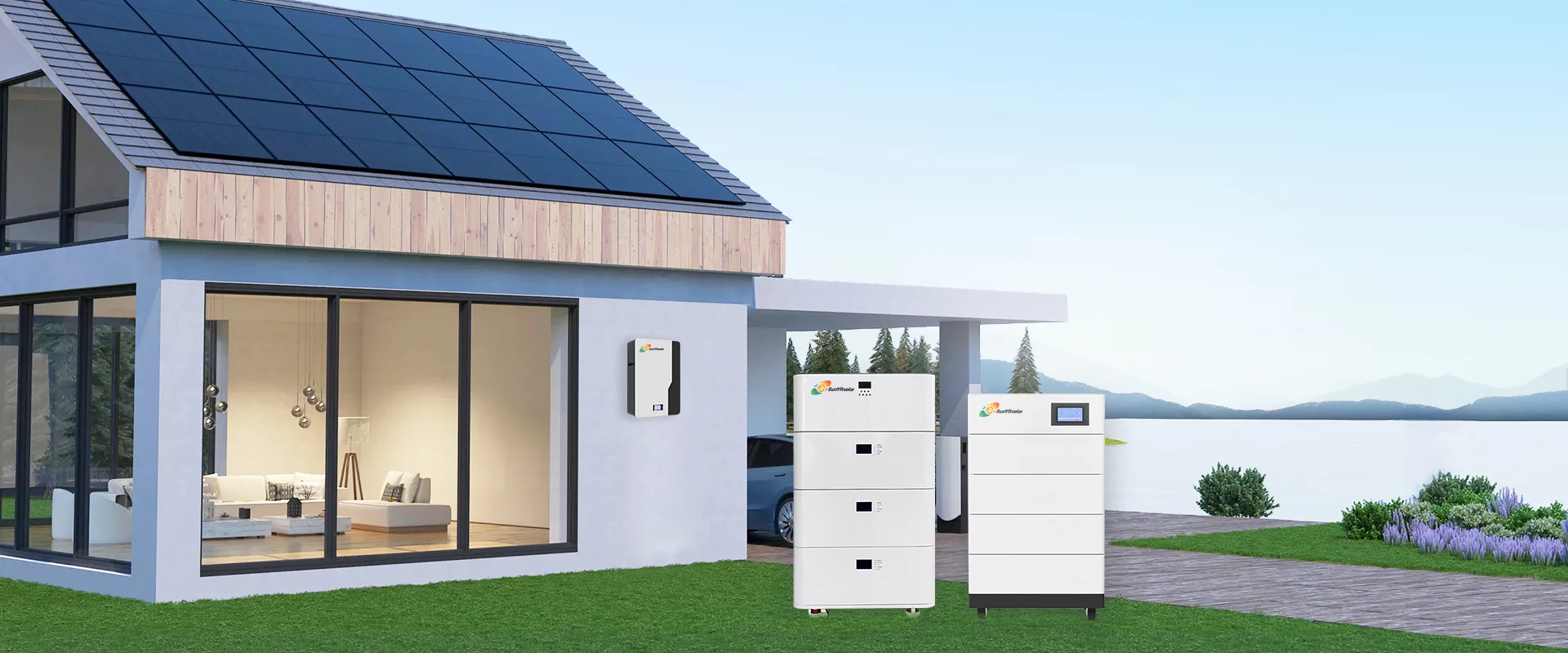
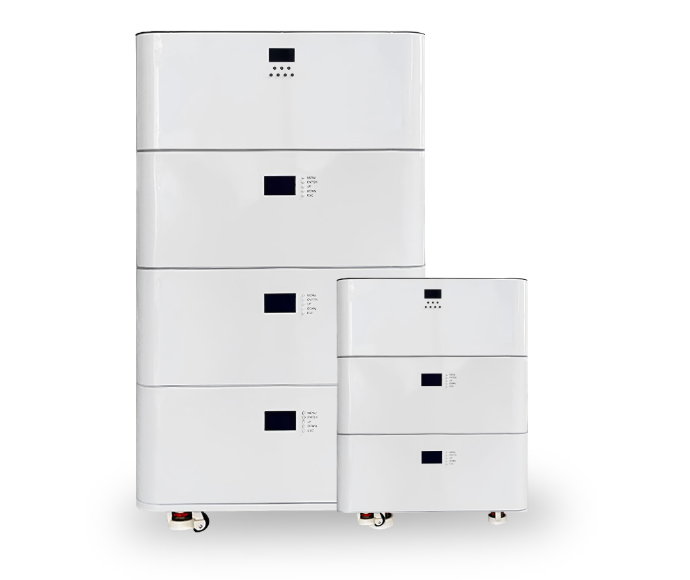
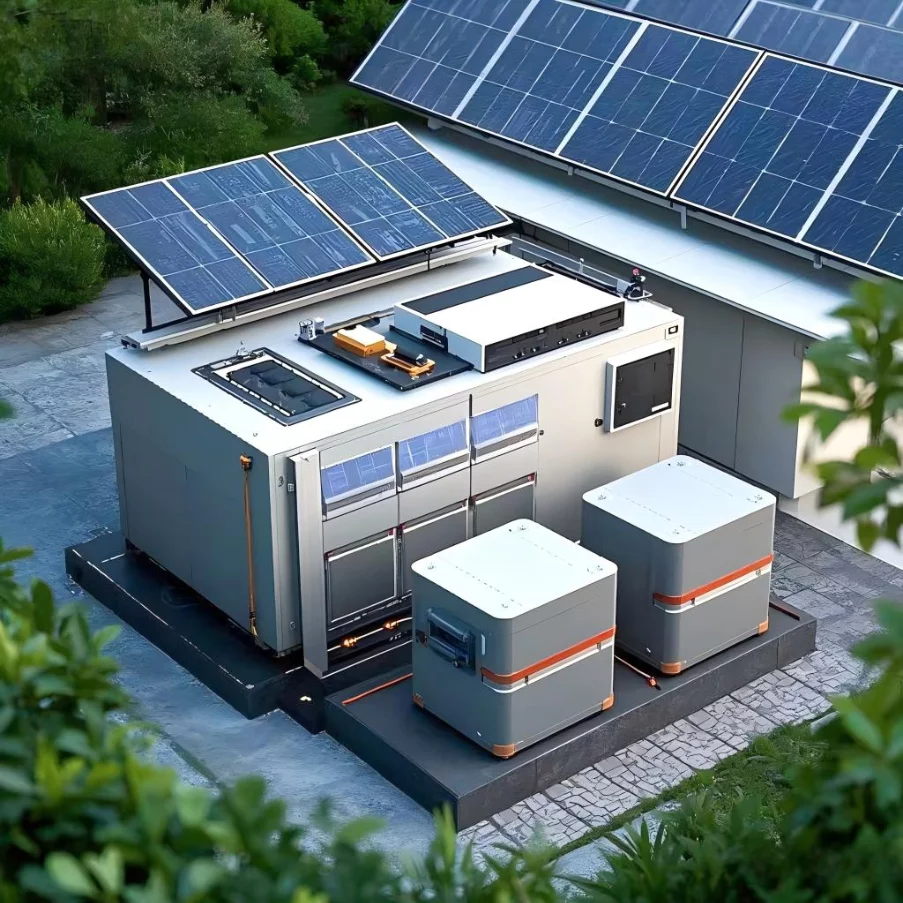
Many commercial buildings now pair photovoltaic systems with battery energy storage. This combination allows excess solar energy generated during the day to be stored and used during evening hours or peak demand periods. Energy storage improves power reliability, reduces peak demand charges, and supports uninterrupted operations in facilities such as data centers, hospitals, and manufacturing plants.
Supporting Green Building Certifications
Photovoltaic technology plays a key role in achieving green building certifications such as LEED and BREEAM. By generating renewable energy on-site, commercial buildings can significantly improve their energy performance ratings. These certifications enhance a company’s brand image, attract environmentally conscious tenants, and may increase property value.
Applications in Commercial Parking and Outdoor Areas
Beyond rooftops, photovoltaic systems are also widely used in parking lots and outdoor areas. Solar carports provide shade for vehicles while generating electricity. In commercial complexes, the energy produced can power lighting, security systems, and electric vehicle charging stations. This expands the usable space for PV installation and maximizes energy output.
Conclusion: Long-Term Value for Commercial Properties
Photovoltaic technology offers commercial buildings a reliable and scalable energy solution. From rooftop installations and building-integrated systems to energy storage and parking applications, PV systems deliver long-term cost savings, energy independence, and environmental benefits. As technology continues to advance, photovoltaic applications will play an increasingly important role in shaping sustainable and efficient commercial buildings.