


High Voltage Solar Storage System Maintenance Checklist
Release time: 2025-12-15
Table of Contents
High voltage solar storage systems are becoming increasingly popular in residential and commercial settings due to their efficiency and energy-saving capabilities. However, to ensure safety, reliability, and long-term performance, regular maintenance is essential. Neglecting maintenance can lead to reduced efficiency, safety hazards, and costly repairs. The following checklist provides key steps for maintaining a high voltage solar storage system.
1. Visual Inspection of Panels and Batteries
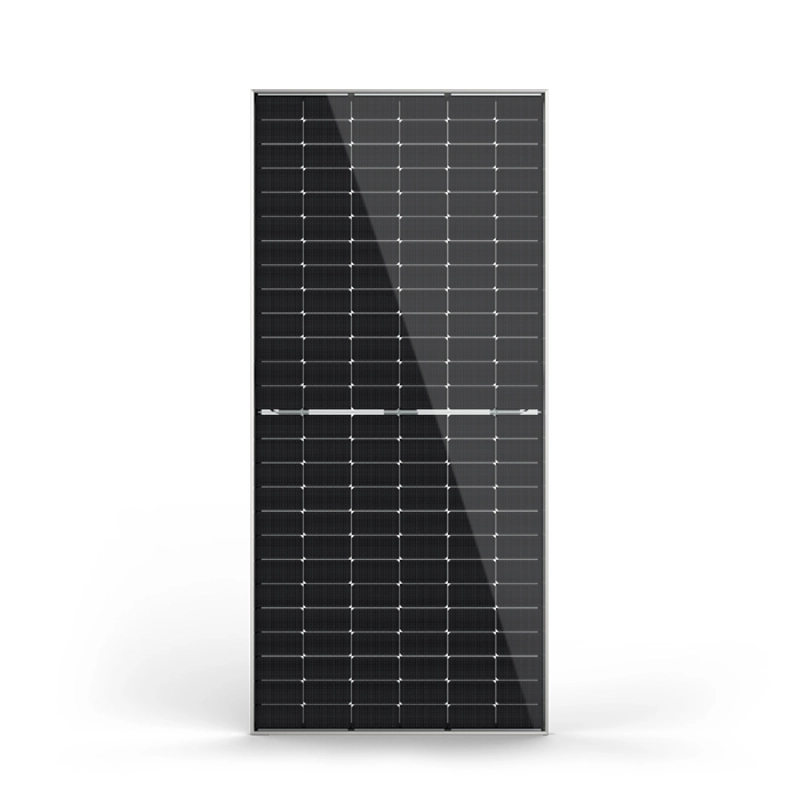
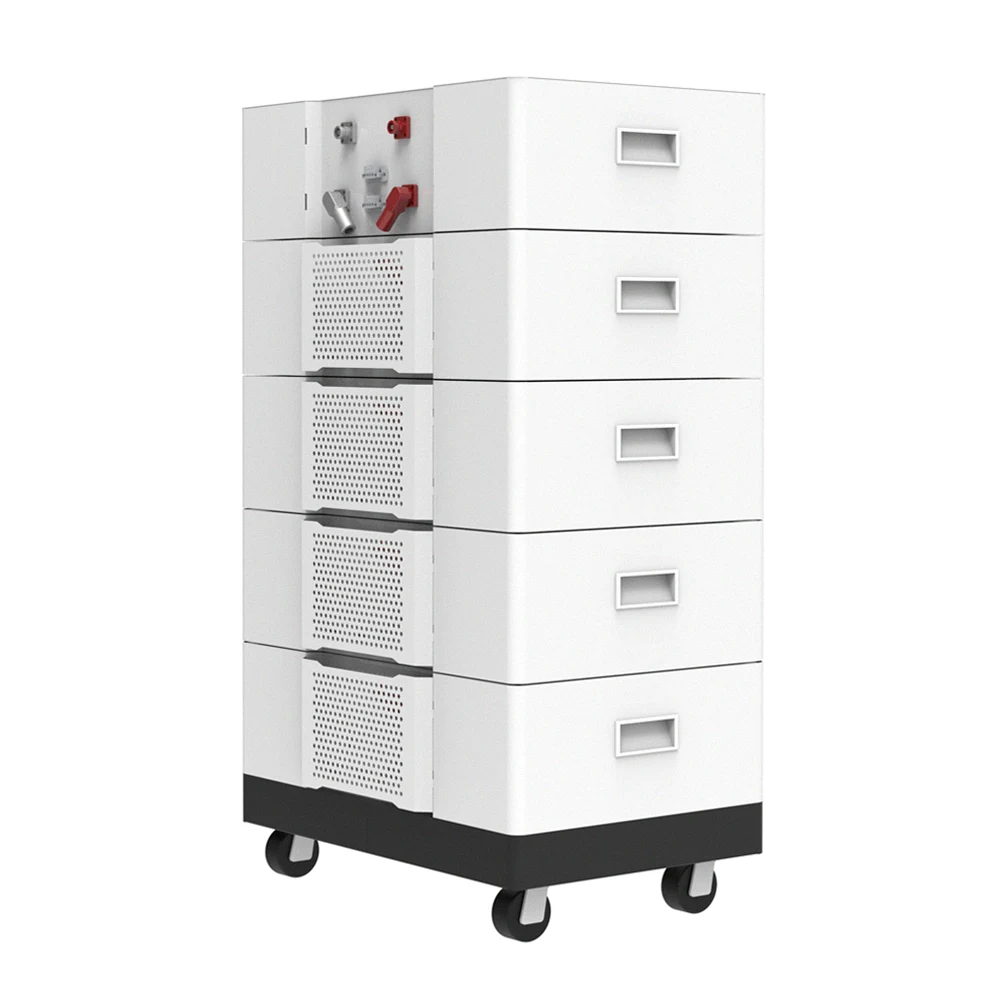
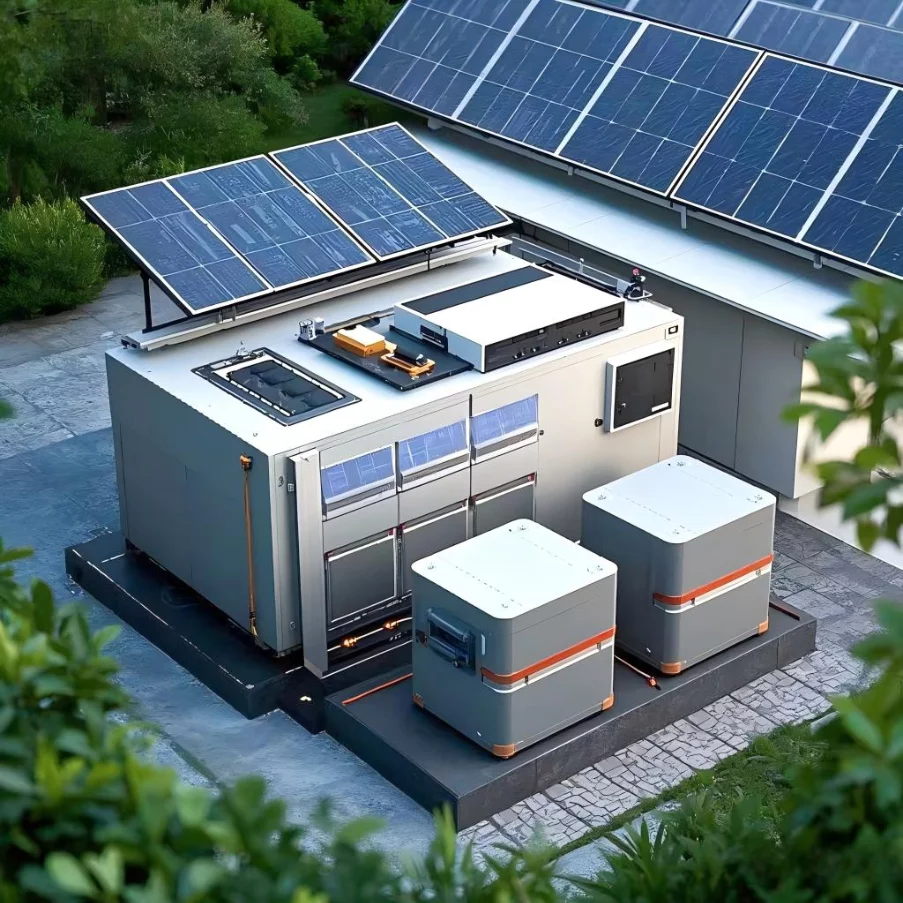
Regularly inspect solar panels and battery units for visible damage such as cracks, discoloration, corrosion, or leaks. Look for loose connections, frayed wires, or signs of overheating. Any physical damage should be addressed immediately by a qualified technician.
2. Check Voltage and Battery Levels
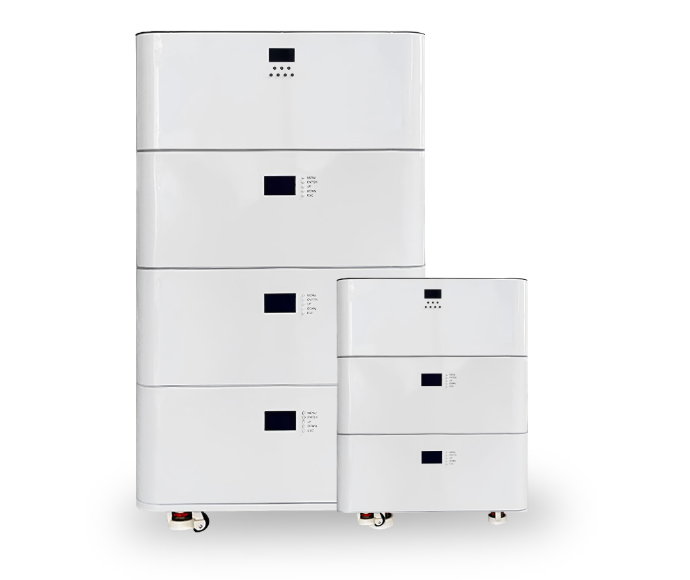
Monitor the system’s voltage levels and battery state-of-charge (SoC) regularly. High voltage systems typically operate between 400V and 800V, and deviations from recommended levels can affect performance or cause safety issues. Ensure that batteries are charging and discharging within manufacturer specifications.
3. Clean Solar Panels and Surrounding Area
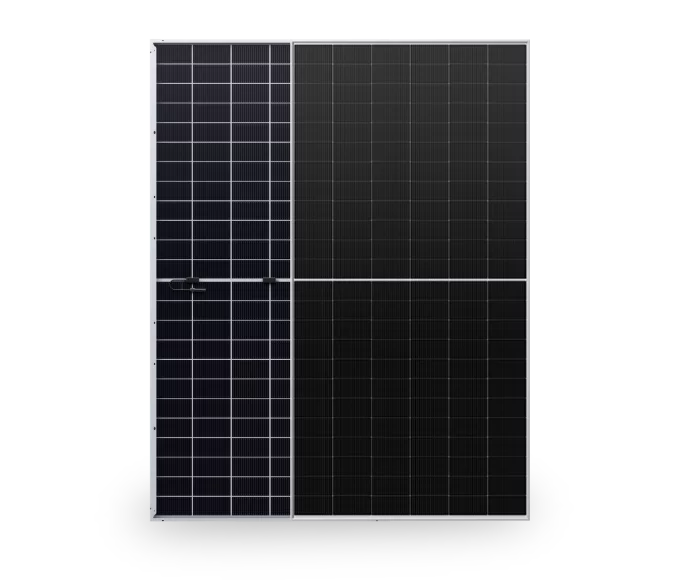
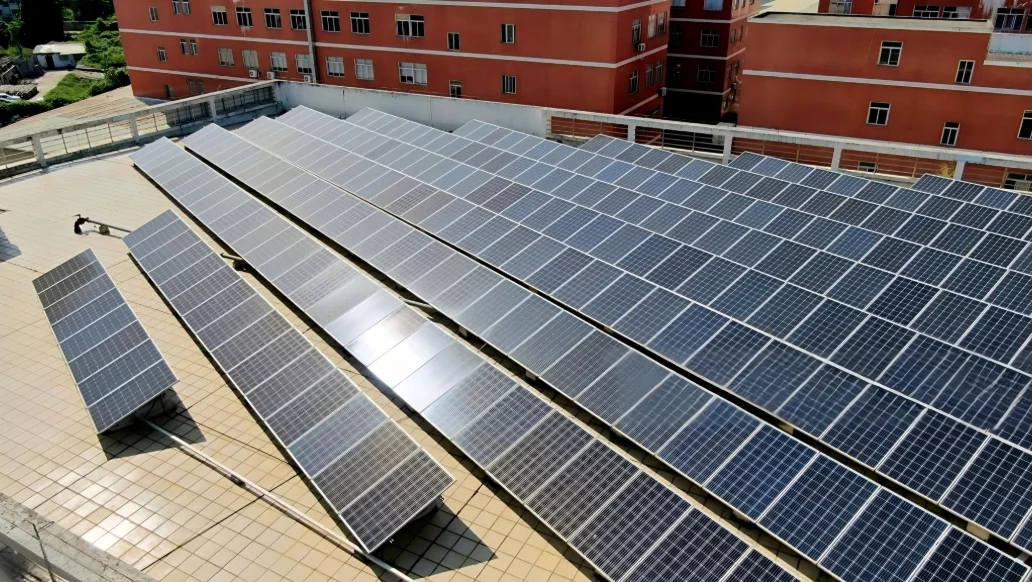
Dust, dirt, and debris can accumulate on solar panels, reducing sunlight absorption and overall efficiency. Clean panels periodically using a soft cloth or brush with water. Avoid harsh chemicals or abrasive materials that could damage the panel surface. Also, keep the area around the battery system clear of obstructions to ensure proper ventilation.
4. Inspect Inverter and Electrical Components
The inverter converts DC power from the batteries to AC power for household or commercial use. Check the inverter for error messages, unusual noises, or overheating. Inspect all electrical components, fuses, and circuit breakers for signs of wear or damage. Tighten any loose connections carefully.
5. Monitor System Performance
Use the system monitoring software or app to track energy production, storage, and usage patterns. Sudden drops in output or abnormal readings may indicate an issue with batteries, panels, or inverters. Promptly investigate and resolve anomalies to prevent long-term damage.
6. Test Safety Features
High voltage solar systems are equipped with safety mechanisms such as circuit breakers, fuses, and emergency shut-off switches. Regularly test these features to ensure they function correctly in case of an emergency.
7. Schedule Professional Maintenance
Even with routine inspections, professional maintenance is crucial at least once a year. Certified technicians can perform in-depth diagnostics, balance battery cells, and update system firmware, ensuring maximum efficiency and safety.
In summary, maintaining a solar storage system involves regular inspections, voltage monitoring, cleaning, inverter checks, performance monitoring, safety testing, and professional servicing. Following this maintenance checklist helps optimize energy production, extend system lifespan, and minimize risks, making your high voltage solar storage system a reliable and long-lasting energy solution.