


सौर पैनल बनाम पारंपरिक ऊर्जा: कौन अधिक लागत प्रभावी है?
रिलीज़ समय: 2025-11-13
विषयसूची
जैसे-जैसे दुनिया स्वच्छ और अधिक टिकाऊ ऊर्जा स्रोतों की ओर बढ़ रही है, वैसे-वैसे ऊर्जा के स्रोतों के बीच बहस बढ़ती जा रही है। सौर पेनल्स पारंपरिक ऊर्जा स्रोतों ने काफ़ी ध्यान आकर्षित किया है। कोयला, प्राकृतिक गैस और ग्रिड से बिजली जैसे पारंपरिक ऊर्जा विकल्प दशकों से विश्वसनीय रहे हैं, लेकिन सौर पैनल एक शक्तिशाली विकल्प के रूप में उभर रहे हैं। लेकिन जब लागत-प्रभावशीलता की बात आती है, तो उपभोक्ताओं के लिए कौन सा विकल्प बेहतर है? आइए उन कारकों पर गौर करें जो दोनों विकल्पों की कुल लागत को प्रभावित करते हैं।
प्रारंभिक लागत: अग्रिम निवेश बनाम चालू व्यय
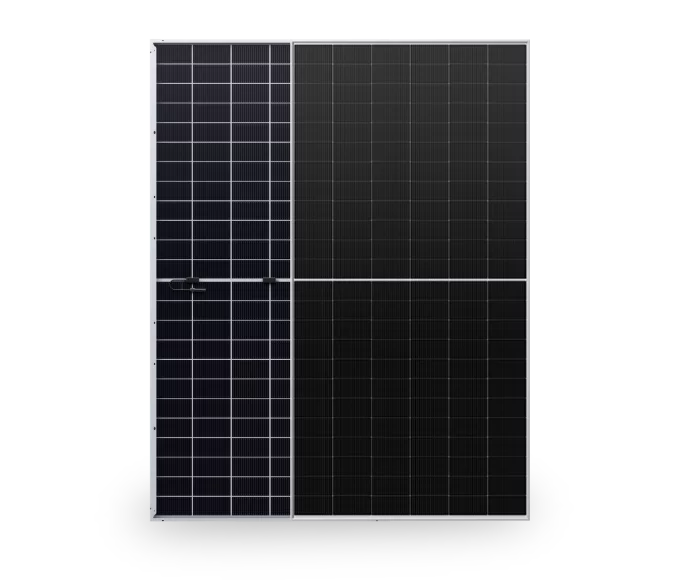
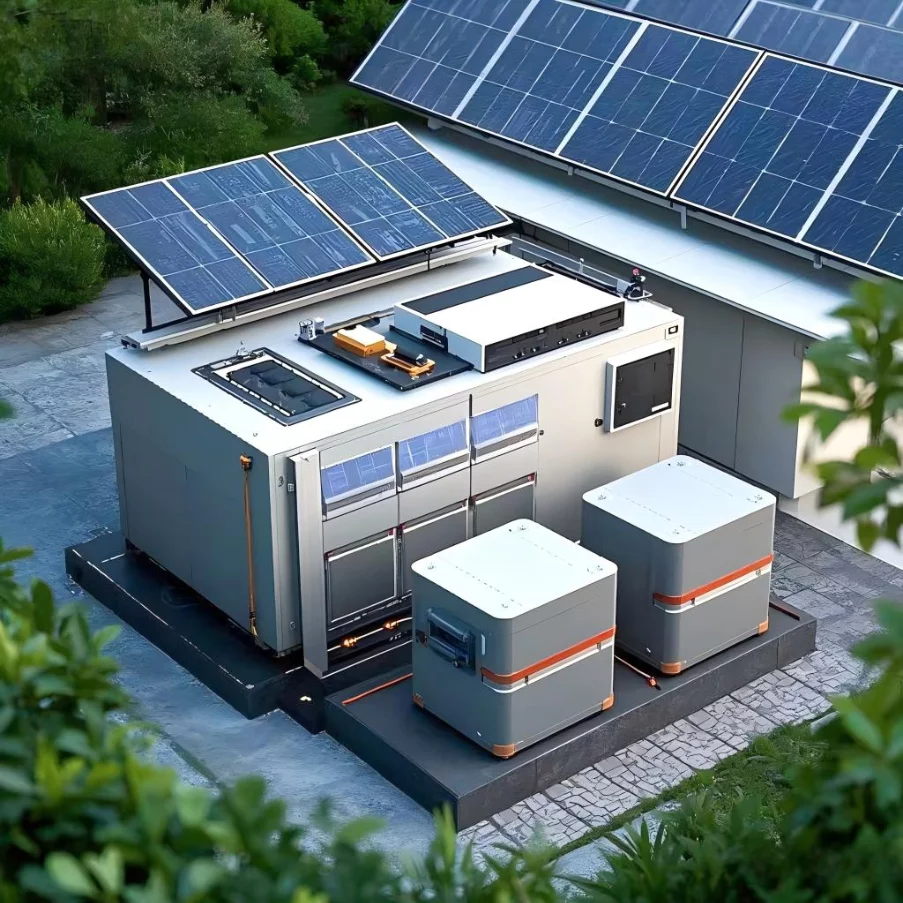
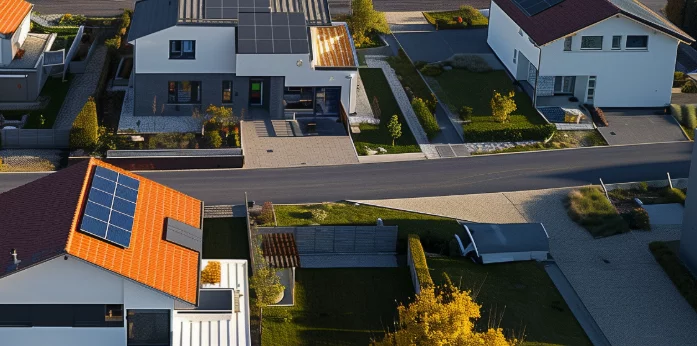
सौर पैनलों की तुलना पारंपरिक ऊर्जा से करते समय सबसे महत्वपूर्ण बातों में से एक है शुरुआती लागत। सौर पैनल लगाने के लिए आमतौर पर एक बड़ा प्रारंभिक निवेश करना पड़ता है। आवासीय प्रणाली के लिए, यह लागत प्रणाली के आकार, पैनलों के ब्रांड और स्थापना शुल्क के आधार पर $10,000 से $30,000 तक हो सकती है। हालाँकि पिछले एक दशक में सौर पैनलों की कीमतों में काफी कमी आई है, फिर भी शुरुआती लागत कई घर मालिकों के लिए एक बाधा बनी हुई है।
इसके विपरीत, पारंपरिक ऊर्जा स्रोतों, जैसे कि ग्रिड से प्राप्त बिजली, पर उपभोक्ता के लिए आमतौर पर बहुत कम या कोई प्रारंभिक लागत नहीं होती (नए घरों के लिए वायरिंग या सेटअप शुल्क के भुगतान के अलावा)। उपभोक्ता अपनी खपत के आधार पर मासिक आधार पर बिजली का भुगतान करते हैं, और ये शुल्क उनके स्थान और ऊर्जा प्रदाता के आधार पर काफी भिन्न हो सकते हैं।
दीर्घकालिक बचत: सौर ऊर्जा बनाम उपयोगिता बिल
वास्तविक लागत बचत सौर पैनलों के दीर्घकालिक उपयोग से आती है। एक बार स्थापित होने के बाद, घरेलू सौर पैनल न्यूनतम रखरखाव की आवश्यकता होती है, और कई सिस्टम 20-25 साल की वारंटी के साथ आते हैं। सिस्टम के जीवनकाल में, घर के मालिक अपने बिजली बिलों पर हज़ारों डॉलर बचा सकते हैं। प्रचुर धूप वाले क्षेत्रों में, सौर पैनल एक घर की ऊर्जा खपत में 100% तक की कमी ला सकते हैं, जिससे मासिक बिजली की लागत प्रभावी रूप से कम या समाप्त हो जाती है।
इसकी तुलना में, पारंपरिक ऊर्जा बिलों में उतार-चढ़ाव होता रहता है। कई क्षेत्रों में उपयोगिता शुल्क लगातार बढ़ रहे हैं, और इस बात की कोई गारंटी नहीं है कि समय के साथ ये लागतें बढ़ेंगी नहीं। आपके स्थान के आधार पर, ग्रिड से बिजली की लागत सालाना 3-5% तक बढ़ सकती है, जिसका अर्थ है कि पारंपरिक ऊर्जा स्रोतों वाले घर मालिकों को साल-दर-साल बढ़ती लागत का सामना करना पड़ सकता है।
प्रोत्साहन और कर छूट
सौर ऊर्जा पर विचार करने वालों के लिए, सरकारी प्रोत्साहन शुरुआती लागत को काफ़ी कम कर सकते हैं। संयुक्त राज्य अमेरिका सहित कई देशों में, टैक्स क्रेडिट, छूट और सब्सिडी स्थापना लागत के एक बड़े हिस्से को कवर कर सकते हैं। उदाहरण के लिए, अमेरिकी संघीय सौर कर क्रेडिट (आईटीसी) घर मालिकों को अपने करों से स्थापना लागत का 26% घटाने की अनुमति देता है। इसके अतिरिक्त, कुछ राज्य सौर ऊर्जा प्रणालियाँ स्थापित करने के लिए अतिरिक्त छूट या प्रोत्साहन प्रदान करते हैं।
दूसरी ओर, पारंपरिक ऊर्जा स्रोतों के साथ आमतौर पर ऐसे प्रोत्साहन नहीं मिलते। दरअसल, पारंपरिक ऊर्जा अवसंरचना को किफायती बने रहने के लिए अक्सर सरकारों से भारी सब्सिडी की आवश्यकता होती है, जिससे कभी-कभी अक्षमताएँ पैदा हो सकती हैं या करदाताओं पर वित्तीय बोझ पड़ सकता है।
पर्यावरणीय और छिपी लागतें
हालांकि मासिक उपयोगिता बिल में हमेशा तुरंत स्पष्ट नहीं होता, पारंपरिक ऊर्जा का पर्यावरणीय प्रभाव छिपी हुई लागतों में योगदान कर सकता है जो पूरे समाज को प्रभावित करती हैं। जीवाश्म ईंधन आधारित ऊर्जा उत्पादन से वायु प्रदूषण, ग्रीनहाउस गैस उत्सर्जन और पर्यावरणीय क्षरण होता है, जिसके दीर्घकालिक आर्थिक परिणाम होते हैं, जिनमें स्वास्थ्य सेवा लागत और पर्यावरण सफाई प्रयास शामिल हैं। ये लागतें, हालांकि किसी व्यक्ति के ऊर्जा बिल में दिखाई नहीं देतीं, अर्थव्यवस्था को प्रभावित कर सकती हैं और वैश्विक जलवायु परिवर्तन में योगदान दे सकती हैं।
इसके विपरीत, सौर पैनल प्रणाली एक स्वच्छ ऊर्जा समाधान प्रदान करें जो घरों के कार्बन फुटप्रिंट को कम करने में मदद कर सकता है। सौर ऊर्जा नवीकरणीय है, कोई उत्सर्जन नहीं करती है, और स्थापना के बाद इसका पर्यावरण पर न्यूनतम प्रभाव पड़ता है। हालाँकि सौर पैनलों के निर्माण में कुछ कार्बन उत्सर्जन होता है, लेकिन यह जीवाश्म ईंधन आधारित बिजली उत्पादन से होने वाले प्रदूषण की तुलना में कहीं कम हानिकारक है।
निष्कर्ष: लागत प्रभावी विकल्प
विशुद्ध वित्तीय तुलना के संदर्भ में, सौर पैनल अक्सर पारंपरिक ऊर्जा स्रोतों की तुलना में बेहतर दीर्घकालिक मूल्य प्रदान करते हैं। हालाँकि शुरुआती लागत बहुत अधिक हो सकती है, लेकिन बिजली के बिलों में बचत और सरकारी प्रोत्साहन समय के साथ सौर पैनलों को एक किफ़ायती विकल्प बनाते हैं। पारंपरिक ऊर्जा की बढ़ती लागत और पर्यावरणीय बोझ के कारण, सौर ऊर्जा के पक्ष में तराजू और भी ज़्यादा झुक जाता है।
हालाँकि, अंततः यह निर्णय व्यक्तिगत परिस्थितियों पर निर्भर करता है, जैसे स्थान, उपलब्ध सूर्य का प्रकाश, और प्रारंभिक निवेश के लिए वित्तीय तैयारी। जो लोग शुरुआती लागत वहन कर सकते हैं या प्रोत्साहनों का लाभ उठा सकते हैं, उनके लिए सौर पैनल एक स्मार्ट, दीर्घकालिक निवेश है जो न केवल पैसे बचाता है बल्कि ग्रह के लिए भी लाभकारी है।
सौर पैनलों और पारंपरिक ऊर्जा के बीच की लड़ाई में, सौर ऊर्जा दीर्घावधि में अधिक लागत प्रभावी और पर्यावरण के अनुकूल विकल्प के रूप में सामने आती है, जो इसे वित्तीय और पारिस्थितिक दोनों कारणों से एक बुद्धिमान विकल्प बनाती है।